

The best privacy fencing for Grand Junction withstands intense high-altitude sun, clay soil movement, and winter freeze-thaw without warping or loosening. That's a tall order for a backyard upgrade. Homeowners often assume any fence will do, then watch wood panels silver and crack within a few seasons.
Choosing the right material matters more here than in milder climates. The area's elevation and dry air put extra stress on outdoor structures. Getting it right the first time saves money and headaches down the road.
Why Standard Fencing Struggles Here
Grand Junction sits at a high elevation, and that brings noticeably stronger UV exposure than sea-level regions. Unsealed or lightly finished wood can lose color and develop surface checking within just a few years. Add dry summer heat and sudden temperature swings, and ordinary fencing gets pushed to its limits fast.
Soil conditions complicate things further. Much of the area has expansive clay soil that swells when wet and shrinks when dry. Combined with seasonal freeze-thaw cycles, that movement can tilt posts and loosen panels over time if installation depth isn't right.
Privacy Fencing Material Options Worth Considering
Picking a material is really about matching performance to your yard's exposure and your maintenance appetite.
Here are the main options we install across the region:
- Wood privacy fencing: Classic look, customizable height and style, but needs periodic staining or sealing to resist UV fading and drying out.
- Vinyl privacy fencing: Built-in color that resists sun bleaching, minimal upkeep, and strong resistance to moisture swings.
- Metal and ornamental iron fencing: Extremely durable and low maintenance, though typically used where some visibility is acceptable rather than full privacy.
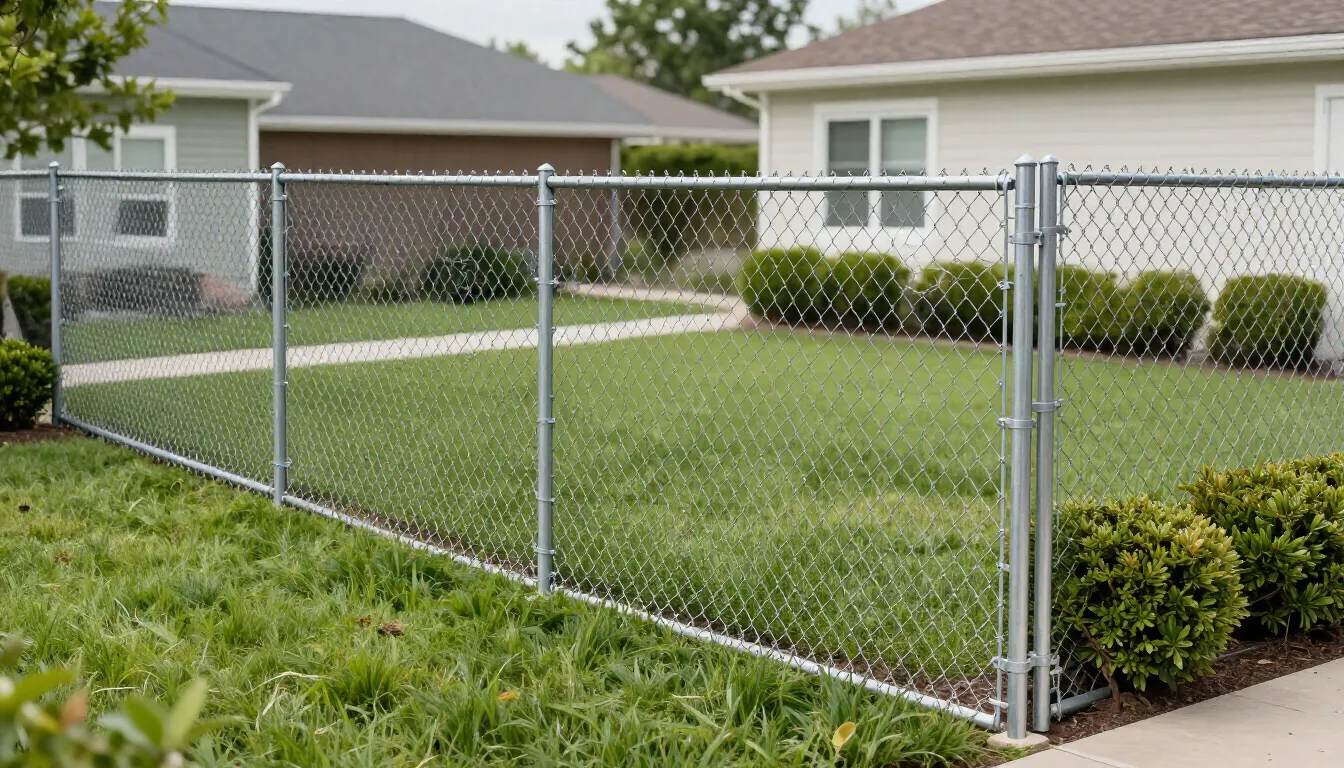
- Chain link with privacy slats: A budget-friendly way to add screening to an existing or planned chain link layout.
Each option has tradeoffs. Vinyl tends to hold up best against the area's UV intensity with the least ongoing care. Wood still appeals to homeowners who want a warmer, natural aesthetic and are willing to reseal every few years.
Installation Depth Matters as Much as Material
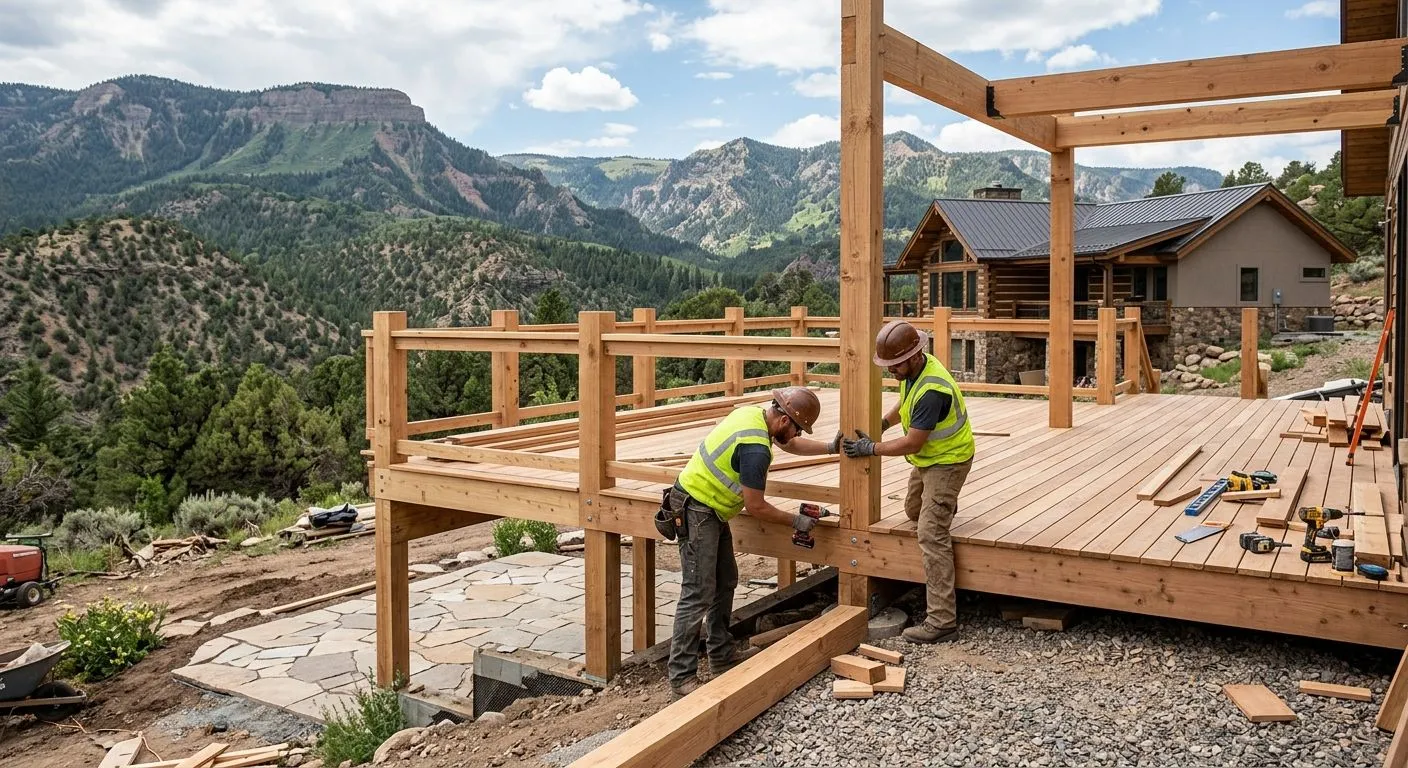
A beautiful fence won't stay straight if the posts aren't set correctly. Because of the region's expansive clay soil, posts need to be sunk well below the local frost line. Depth generally runs 24 to 36 inches depending on conditions. Shallow post holes are one of the most common reasons fences lean or gates start sticking within a year or two.
Proper drainage planning around each post also helps prevent water from pooling and accelerating soil movement. This is exactly the kind of detail that separates a fence that lasts decades from one that needs repair by its third winter. When our crews plan privacy fencing installation, post depth and drainage get as much attention as the material itself.
Matching Fencing to Your Outdoor Living Plans
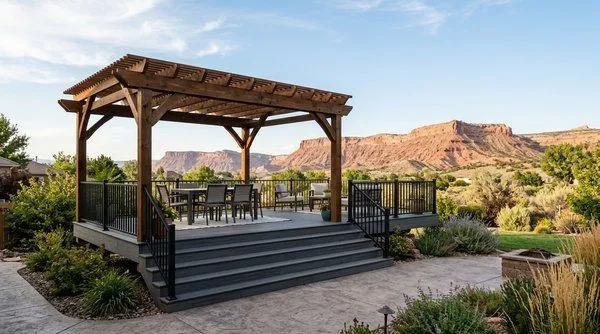
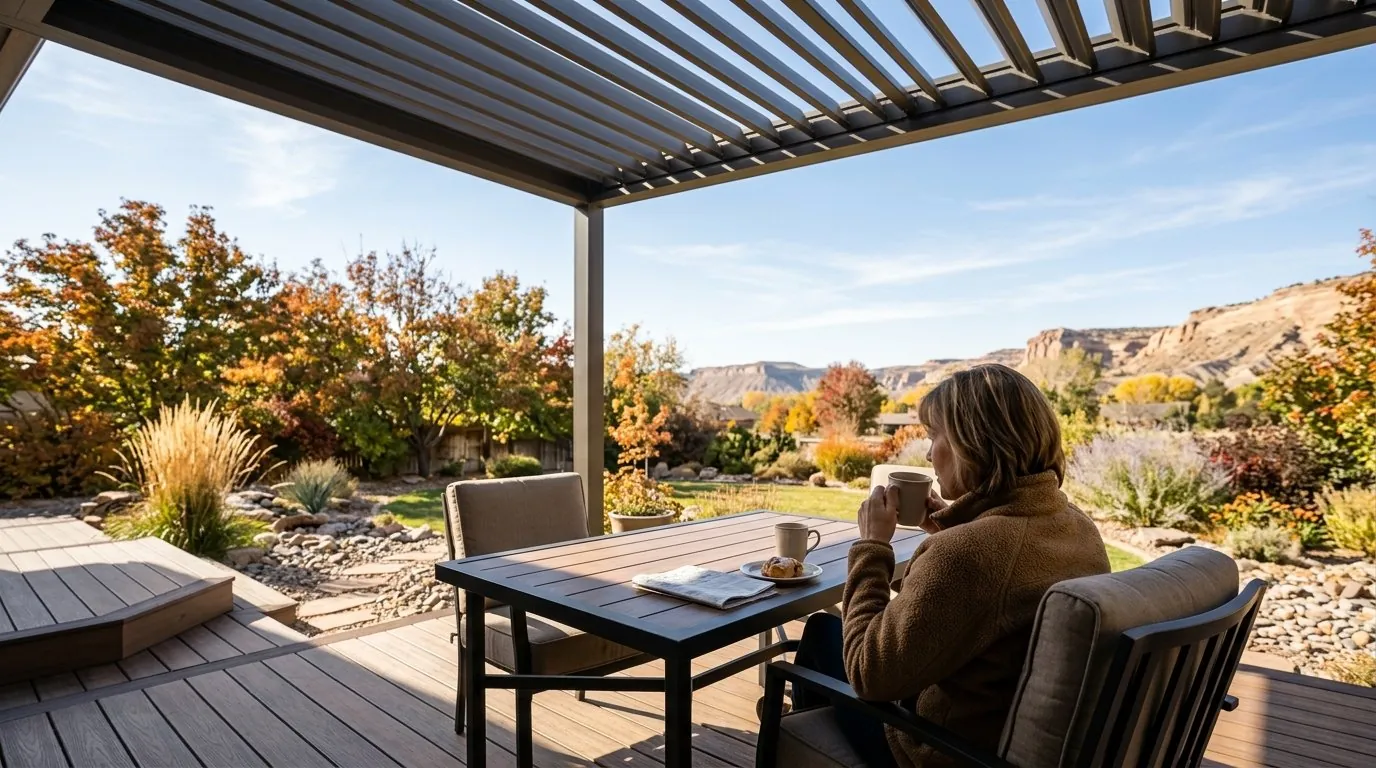
Privacy fencing rarely stands alone. Many homeowners are pairing new fence lines with shaded decks or pergolas to create a fully enclosed, comfortable backyard retreat. A well-placed pergola blocks overhead sun, while the fence line handles sightlines and security at ground level.
If you're already planning a deck or pergola addition, it's worth sequencing the fence installation alongside it. Coordinating both projects means consistent post depths, matched hardware finishes, and one less round of yard disruption. For more backyard planning ideas, our blog covers related outdoor living topics throughout the year.
Timing Your Fence Project This Season
November is a solid month for fence planning here. The ground is usually still workable this time of year. Finishing before deep winter means your fence is ready for spring use right away. Waiting until the ground locks up in deep winter can delay post-hole digging for weeks.
Getting quotes now also means avoiding the spring rush, when every contractor's calendar fills up quickly. Homeowners who've worked with Kokes Constructs often mention how much they appreciate straightforward, honest guidance on material choices rather than a hard upsell. That kind of practical advice matters most when you're trying to budget a project correctly the first time.
Quick Checklist Before You Commit
Before signing off on a fence contract, run through this short list:
- Confirm post depth meets or exceeds local frost line recommendations.
- Ask about drainage planning around each footing.
- Compare maintenance expectations for wood versus vinyl over a 5 to 10 year span.
- Check if slats, lattice, or privacy panels fit your chosen fence type.
- Discuss whether a future deck or pergola addition should be coordinated now.
Frequently Asked Questions
How deep should privacy fence posts be set in Grand Junction?
The area has expansive clay soil and freeze-thaw cycles. Posts generally need to be set 24 to 36 inches deep. Proper drainage around the footing helps limit ground movement.
Does vinyl privacy fencing really outlast wood here?
Vinyl typically resists the region's intense UV exposure better than unsealed wood, holding its color and shape longer with far less routine maintenance.
Can I install a privacy fence and a pergola at the same time?
Yes, and many homeowners prefer it. Coordinating both projects allows consistent footing depths and a cohesive look across the whole backyard.
Is fall a good time to install a fence before winter sets in?
November works well in this region because the ground is usually still workable, and finishing before deep winter means your fence is ready for spring use right away.
If you're weighing privacy fencing materials for your property, our team can walk you through what actually holds up in this climate. Reach out to Kokes Constructs to schedule a consultation and get a straightforward quote for your yard.